
A travel agency specializing in creating unforgettable experiences in Ecuador. Discover the natural beauty, vibrant culture, and exciting adventures this country has to offer with us.
A travel agency specializing in creating unforgettable experiences in Ecuador. Discover the natural beauty, vibrant culture, and exciting adventures this country has to offer with us.
Welcome to Next Adventure Ecuador Agencia de Turismo Ecuador
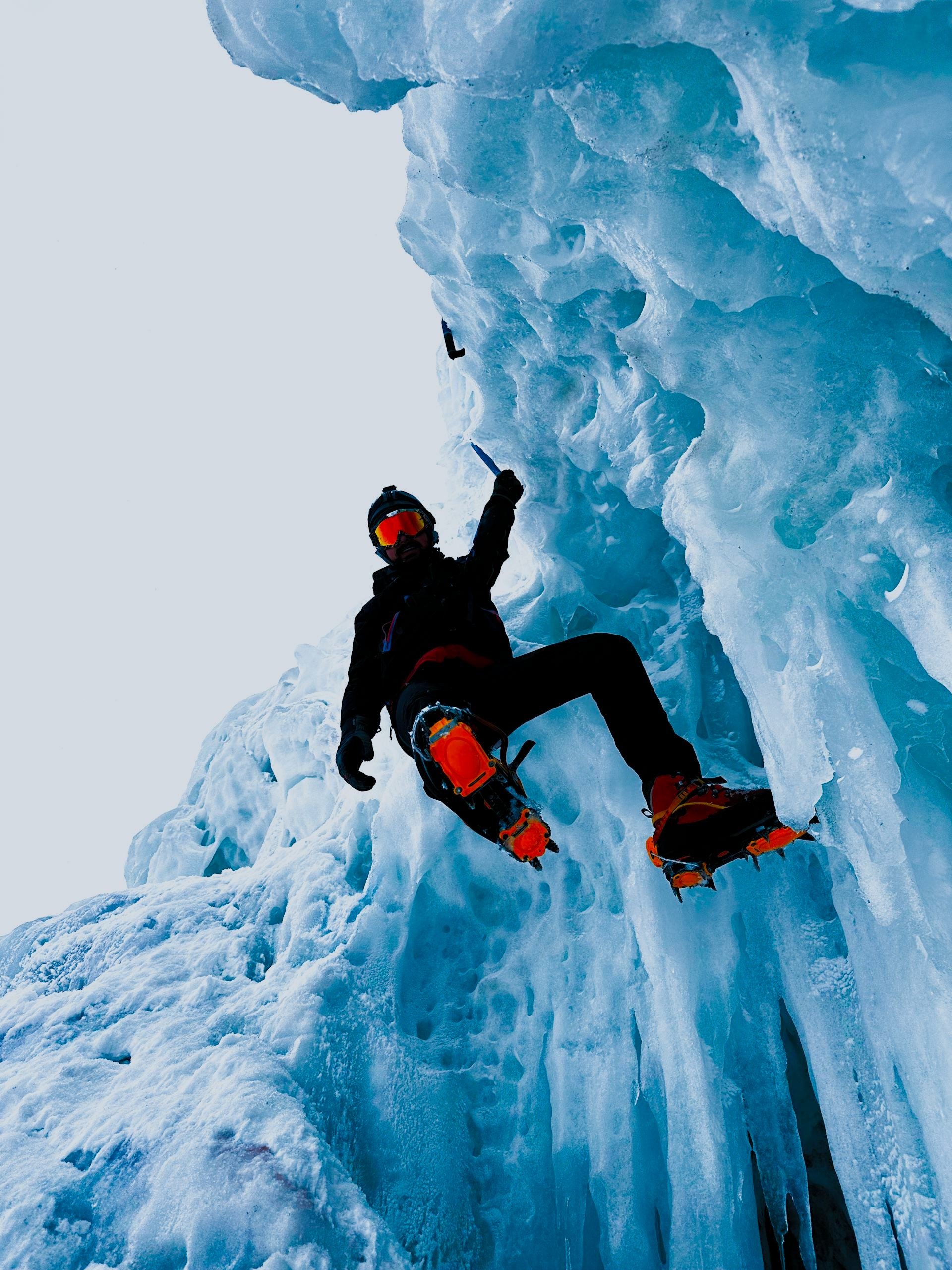
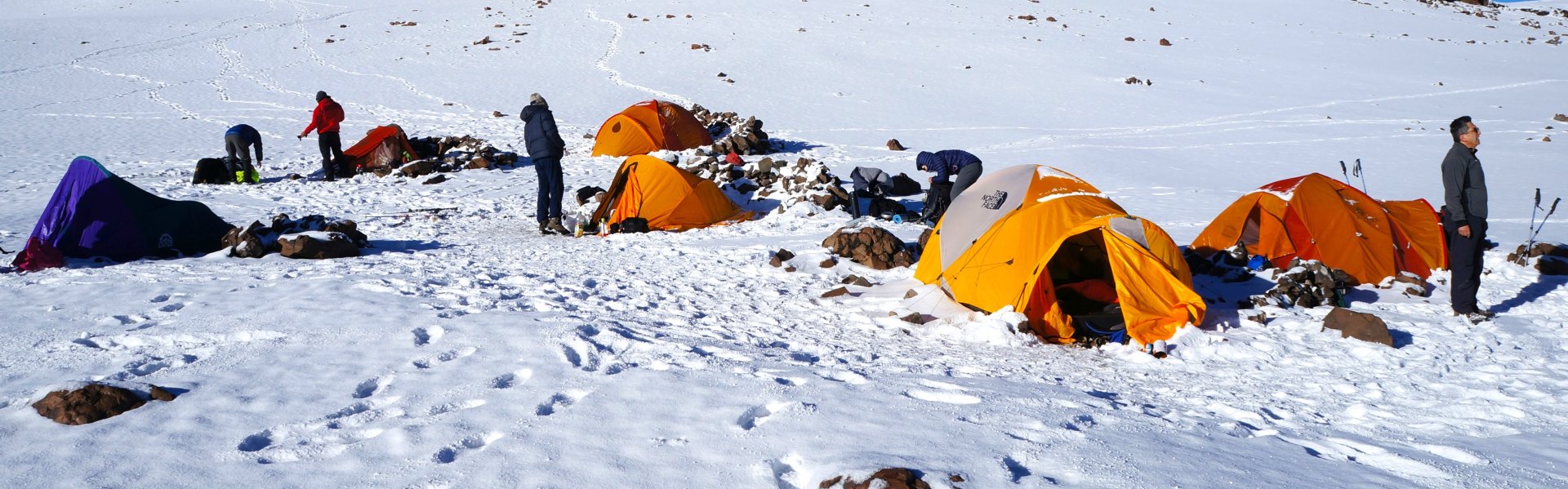
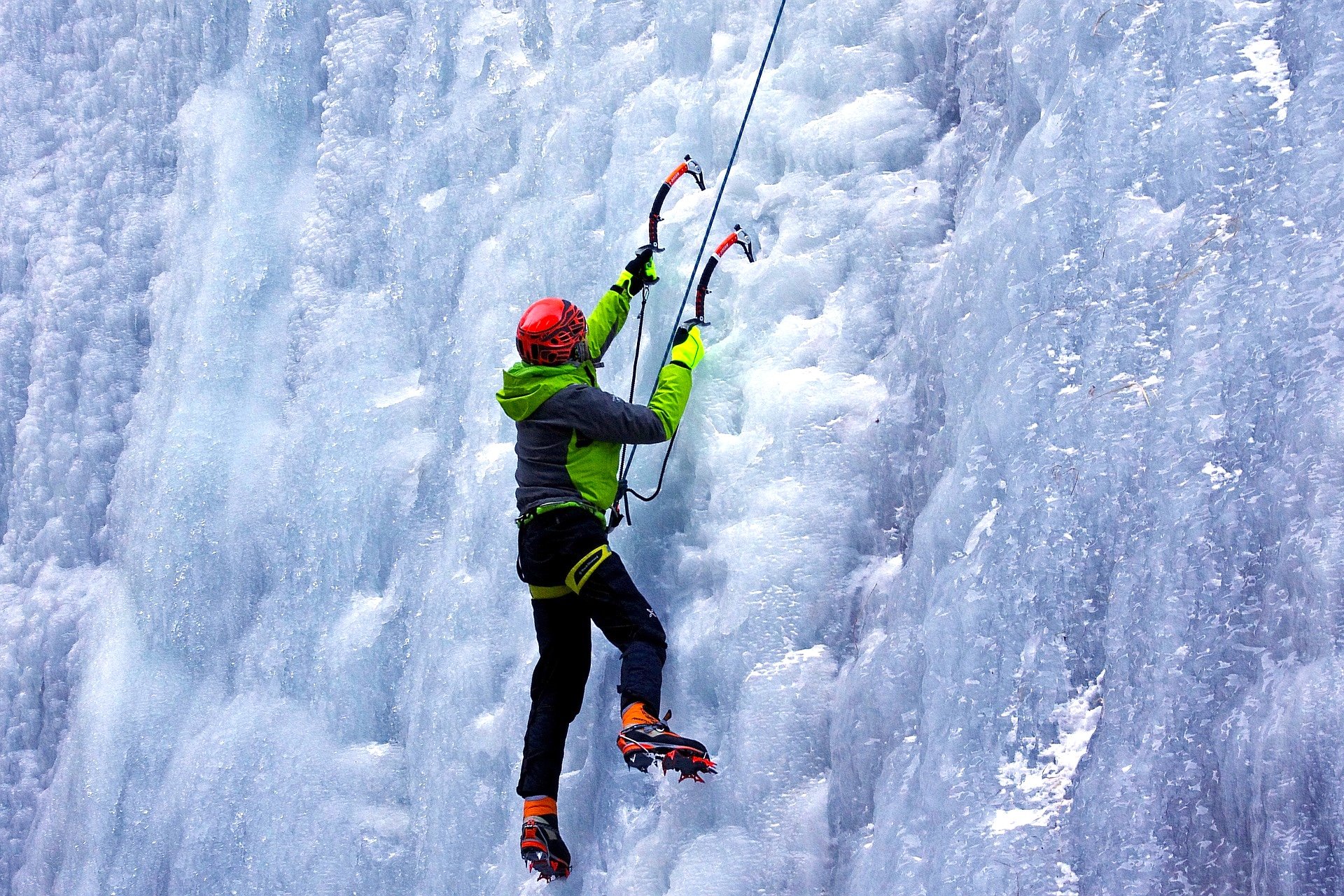
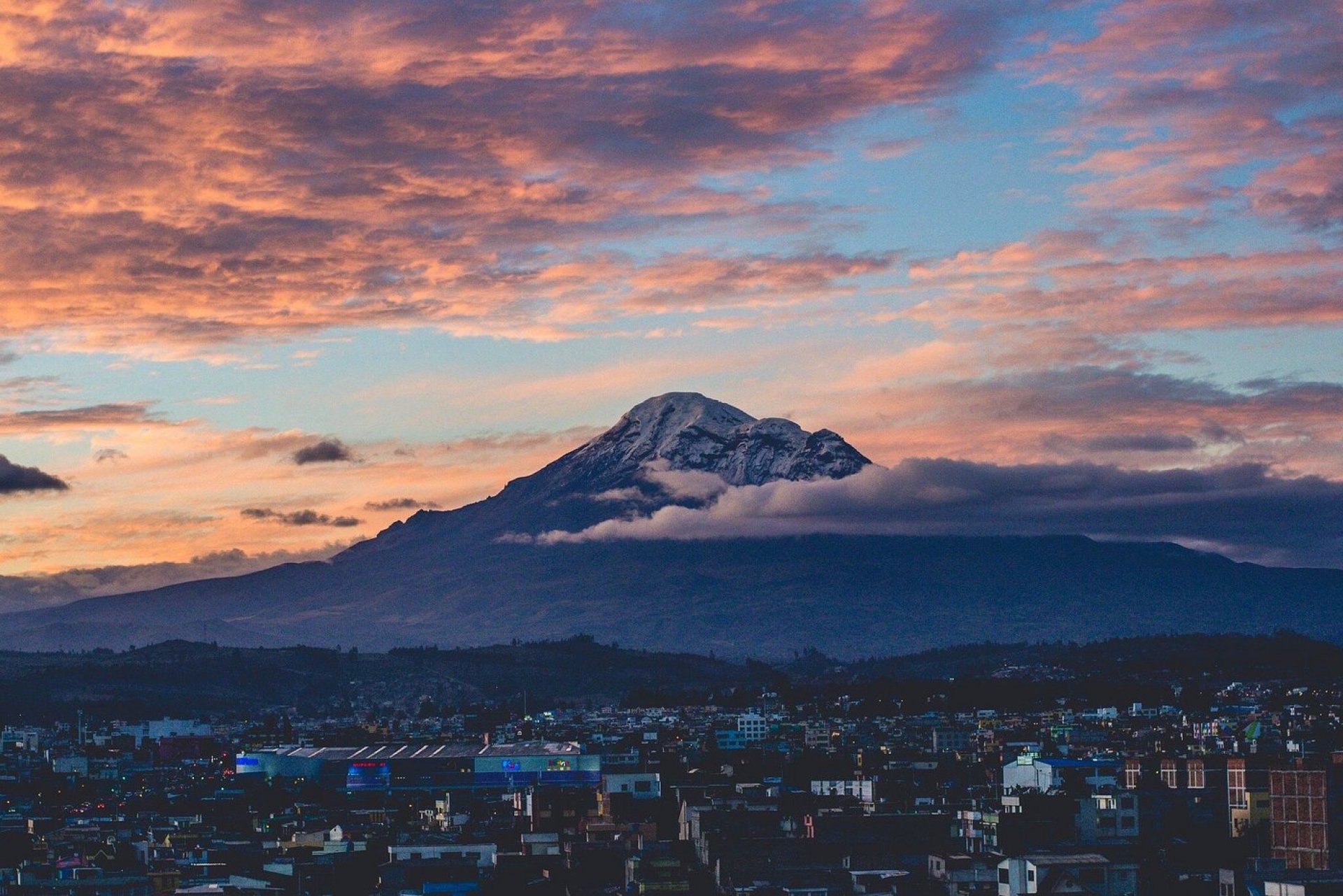
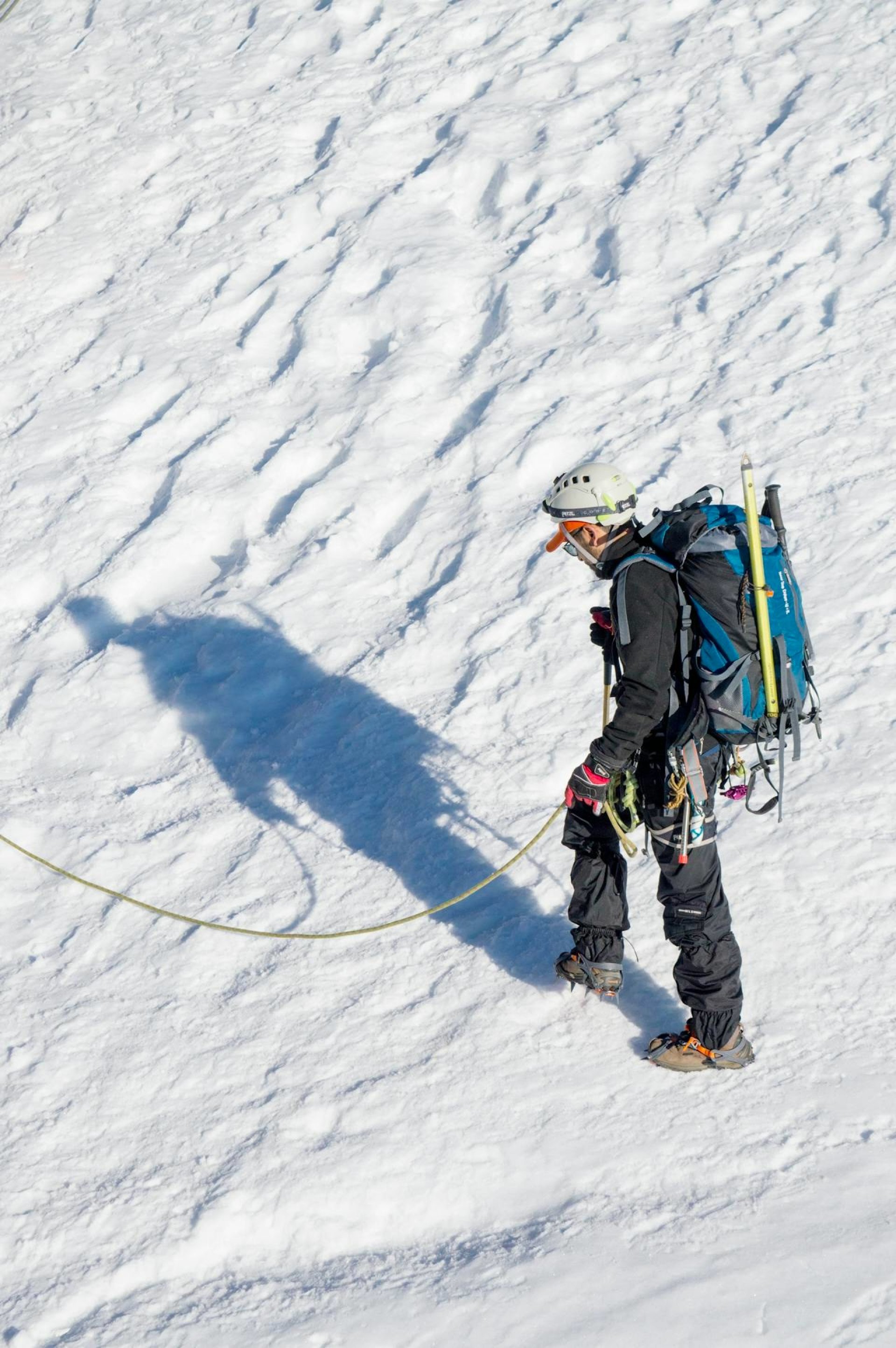
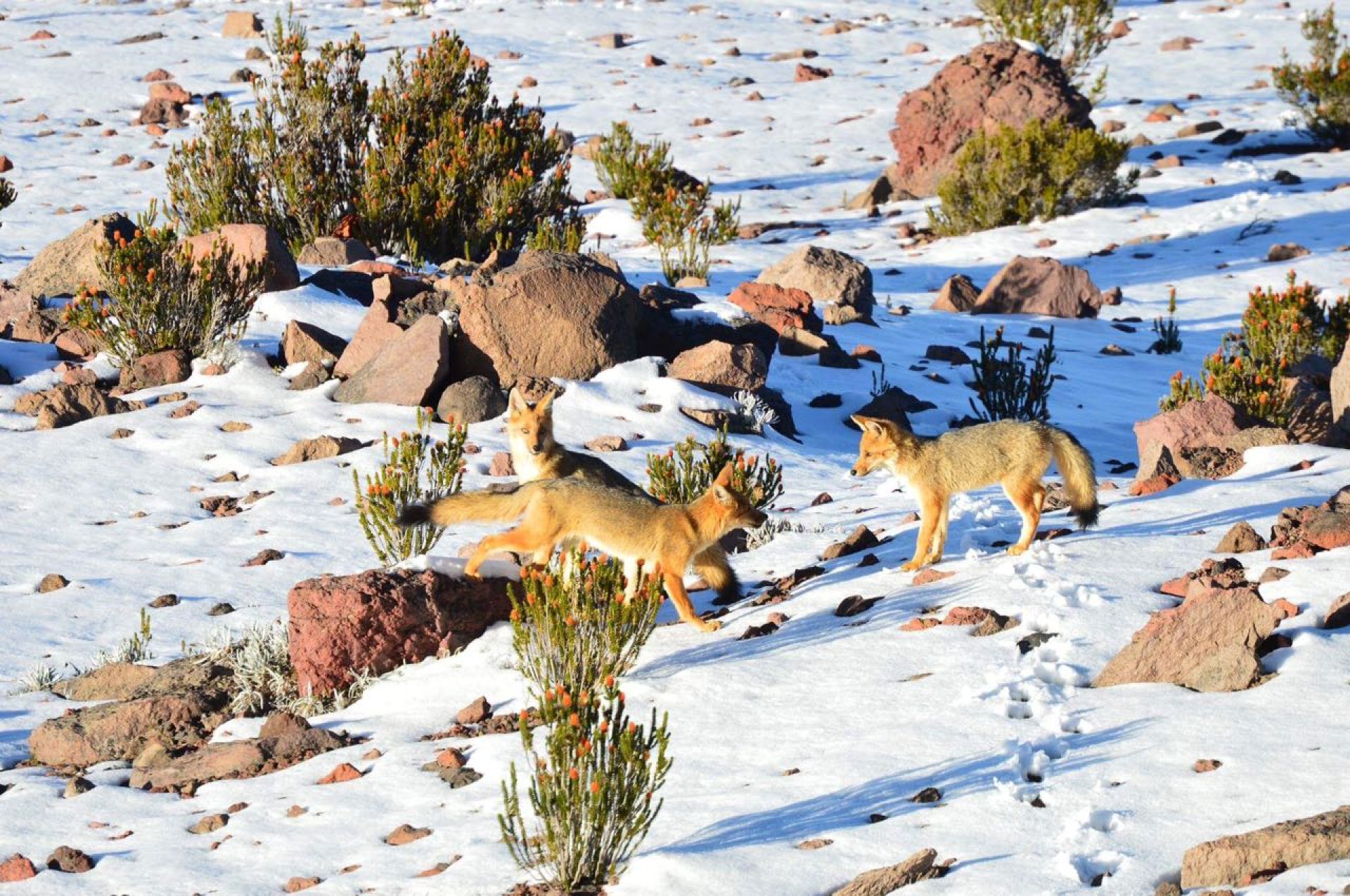
Experience one of the most impressive mountaineering expeditions in South America with this 4-day / 3-night Chimborazo High Camp Climb Tour, an adventure designed for climbers who want to conquer the highest mountain in Ecuador through a progressive acclimatization strategy.
With an altitude of 6,263 meters (20,548 ft), the Volcán Chimborazo is the highest volcano in Ecuador and, due to the Earth's equatorial bulge, its summit is the point on Earth closest to the sun. This makes the mountain one of the most famous mountaineering objectives in the world.
Chimborazo is located inside the Reserva de Producción de Fauna Chimborazo, a spectacular protected area in the Ecuadorian Andes characterized by high-altitude páramo landscapes, Andean wildlifesuch as vicuñas, and glaciers dominating the volcanic scenery.
During this 4-day and 3-night expedition, climbers complete acclimatization hikes, glacier training, and an approach to High Camp at 5,350 meters, allowing the final summit push to be divided into saferstages.
The goal of the expedition is to reach Veintimilla Summit (6,227 m / 20,429 ft) and, if weather conditions allow, continue to Whymper Summit (6,263 m / 20,548 ft), considered the farthest point from thecenter of the Earth.
The final ascent begins around midnight in order to reach the summit at sunrise, when clear skies allow views of some of the most impressive volcanoes of the Ecuadorian Andes such as Volcán Cotopaxi, Volcán Tungurahua, and El Altar.
This expedition is ideal for climbers seeking a glacier climbing experience in Ecuador with better acclimatization and higher summit success rates.
NOTE:
This tour requires previous high-altitude trekking experience and good physical condition. It is recommended to complete acclimatization hikes above 4,000 meters before attempting the summit.
GENERAL TOUR INFORMATION
Duration
4 Days / 3 Nights
Tour Type
High Altitude Expedition – Mountaineering – Adventure
Tour Style
Private Or Small Group
Location
Reserva de Producción de Fauna Chimborazo – Ecuadorian Andes
Starting Point
Riobamba
Climbing Altitude Range
3,850 m – 6,263 m
12,631 ft – 20,548 ft
Main Summit Target
Whymper Summit
Difficulty Level
Very High – Technical
Minimum Recommended Age
16 Years
Average Summit Ascent Time
5 – 6 Hours
Average Descent Time
3 – 4 Hours
Average Glacier Slope
30° – 45°
Average Temperature
Base Camp Area
-3 °C / 26 °F
Summit Area
-15 °C / 5 °F
ITINERARY
DAY 1 | ACCLIMATIZATION HIKE TO HANS MEYER GLACIER
Altitude Range
3,850 m – 4,600 m
12,631 ft – 15,092 ft
Average Temperature
0 °C – 8 °C
32 °F – 46 °F
Activity Time
5 – 6 Hours Of Hiking
The expedition begins in the city of Riobamba, considered the mountaineering capital of Ecuador and the main gateway to the Volcán Chimborazo.
Transportation departs around 08:30 AM toward the Andean community of Mechahuasca, located between Chimborazo and the Carihuairazo.
This starting point sits at approximately 4,250 meters, where the acclimatization hike begins.
The route crosses:
Andean páramo landscapes
Small mountain lagoons
Volcanic rock fields
Panoramic views of Chimborazo and Carihuairazo
The objective of the hike is to reach the Hans Meyer Glacier, located around 4,600 meters, where climbers can observe the glacier and continue the acclimatization process.
Wildlife sightings are common during the hike, especially vicuñas and high-altitude birds living inside the Chimborazo Wildlife Reserve.
After the hike, transportation continues to a mountain lodge at 3,850 meters, where climbers enjoy:
Hot dinner
Rest and recovery
Preparation for the next day of glacier training
DAY 2 | GLACIER TRAINING – WHIMPER NEEDLES
Altitude Range
4,850 m – 5,300 m
15,912 ft – 17,388 ft
Average Temperature
-2 °C – 5 °C
28 °F – 41 °F
Activity Time
4 – 5 Hours
After breakfast, the group travels to Refugio Carrel, located at 4,850 meters.
From the refuge, the hike begins toward the Whymper Needles, a dramatic volcanic rock formation located around 5,300 meters.
These rock towers are named after the British explorer Edward Whymper, who completed the first successful ascent of Chimborazo in 1880.
During this day, climbers perform glacier training including:
Proper crampon techniques
Ice axe use and balance
Roped glacier travel
Basic glacier safety techniques
This training session is essential preparation for the summit attempt.
During the descent, the route passes the beautiful Andean lagoon Condorcocha, surrounded by volcanic landscapes.
The group returns to the refuge for dinner and early rest.
DAY 3 | HIGH CAMP ASCENT
Camp Altitude
5,350 m / 17,553 ft
Average Temperature
-5 °C – 0 °C
23 °F – 32 °F
Activity Time
2 – 3 Hours Of Approach
The morning is dedicated to rest and preparation for the summit attempt.
After lunch, the climb begins toward High Camp at 5,350 meters, located near the Refugio Whymper.
The route crosses high-mountain terrain including:
Volcanic rock fields
Snow slopes
Ice sections
Upon arrival at camp, the mountain guide provides a technical safety briefing, explaining:
Glacier conditions
Summit route
Equipment usage
Safety protocols
Climbers rest inside high-altitude tents and enjoy one of the most spectacular sunsets in the Ecuadorian Andes.
After dinner, climbers sleep for a few hours before the summit attempt.
The ascent begins around midnight.
DAY 4 | CHIMBORAZO SUMMIT ATTEMPT
Maximum Altitude
6,263 m / 20,548 ft
Average Temperature
-10 °C – -15 °C
14 °F – 5 °F
Average Ascent Time
5 – 6 Hours
Average Descent Time
3 – 4 Hours
The summit climb begins at midnight, progressing across the glacier of Volcán Chimborazo under headlamp light.
Glacier slopes vary between:
30° – 40° average
Up to 45° on steeper ice sections
After approximately 5 hours of climbing, the group reaches Veintimilla Summit (6,227 m).
If conditions allow, the climb continues about 1 additional hour to reach Whymper Summit (6,263 m).
From the summit, climbers can observe several iconic volcanoes of Ecuador including:
Volcán Cotopaxi
Volcán Tungurahua
El Altar
After enjoying sunrise from the summit, the descent begins toward the refuge.
The descent takes 3 to 4 hours, followed by transportation back to Riobamba.
End Of Our Services.
IMPORTANT NOTE
The ascent of the Chimborazo Volcano (6,263 m / 20,548 ft) is a high-mountain expedition that takes place on glacier terrain, with low temperatures and rapidly changing weather conditions typical of theEcuadorian Andes.
To ensure safety, comfort, and proper performance during the expedition, it is essential to have the correct mountain equipment.
Part of the technical equipment is provided by the expedition, while some personal items must be brought by each participant.
Having the proper equipment allows climbers to safely face sub-zero temperatures, strong high-altitude winds, snow, ice, and sudden weather changes—common conditions during the ascent ofChimborazo.
PERSONAL EQUIPMENT YOU MUST BRING
Participants must bring personal equipment suitable for cold weather, intense physical activity, and high-altitude trekking.
Daypack (30 – 40 liters) to carry water, snacks, camera, and personal gear during the ascent.
Expedition backpack (50 – 60 liters) recommended for climbers carrying additional equipment or participating in climbs with high-altitude camps.
Reusable water bottle or hydration system.
Appropriate thermal clothing layers for mountain conditions:
High-altitude thermal base layers
Thermal trekking socks
Breathable long-sleeve shirt
Wind-resistant mountain pants
Waterproof and windproof jacket
Waterproof pants for snow or rain
High-altitude sun protection:
Sunscreen SPF 50 or higher
Lip balm for wind and cold protection
Personal hygiene items.
Personal medications required during the expedition.
EQUIPMENT PROVIDED BY THE EXPEDITION
The expedition provides specialized technical mountain equipment designed to ensure safety during the glacier ascent.
Glacier mountaineering boots (sizes available 37 – 47)
Professional ice crampons
Technical mountaineering ice axe
Climbing harness with safety carabiner
Mountain helmet for protection on rocky and glacier terrain
Headlamp with batteries for night ascents
Glacier sunglasses for UV and snow protection
Balaclava or thermal face protection
Snow and ice gaiters
Fleece gloves
High-altitude thermal gloves
Fleece thermal pants
Waterproof outer pants
Thermal sleeping bag for low temperatures
Thermos for hot drinks
Purified water throughout the expedition
NOTE: If you wear prescription glasses, it is recommended to bring personal sunglasses or contact lenses, as standard glacier glasses may not fit properly over prescription frames.
OPTIONAL EQUIPMENT AVAILABLE FOR RENT
For participants who do not have full equipment, some items can be rented before the expedition begins.
Daypack (30 – 40 liters) — USD 3 per day
Expedition backpack (50 – 60 liters) — USD 5 per day
Waterproof jacket with thermal lining — USD 5 per day
Professional trekking poles — USD 5 per day (pair)
The Chimborazo High Camp Expedition includes all necessary services to complete a safe and organized ascent of Ecuador’s highest mountain.
Professional Certified Guides
Certified mountain guides accredited by the ASEGUIM accompany the expedition throughout the climb.
Safety ratio in the mountains is 1 guide for every 2 climbers during the summit attempt, ensuring technical assistance and constant supervision on the glacier.
Private Transportation
Private transportation from the city of Riobamba to the Chimborazo Fauna Production Reserve and return at the end of the expedition.
Accommodation During The Expedition
The program includes different types of mountain accommodation:
Mountain lodge in the Chimborazo area (Night 1)
Accommodation at the Carrel Refuge (Night 2)
High-altitude camp (High Camp) at approximately 5,350 m / 17,552 ft (Night 3)
Complete Technical Equipment For Glacier Climbing
The expedition provides specialized equipment for the Chimborazo ascent:
Glacier mountaineering boots
Professional crampons
Technical ice axe
Climbing harness
Mountain helmet
Headlamp for night ascent
Glacier sunglasses
Snow gaiters
Thermal mountain gloves
Glacier Safety Equipment
Glacier ropes
Basic rescue equipment
First-aid kit
Guide communication equipment
High-Altitude Camping Equipment
High-mountain expedition tents
Sleeping bags for low temperatures
Thermal insulation sleeping pads
Meals During The Expedition
Full meals are included during the program:
3 Breakfasts
4 Lunches
3 Hot dinners
Hot beverages such as coffee or tea
Purified drinking water
Glacier Training Session
Basic ice climbing and glacier travel techniques are practiced during the training day.
Official Permits
Entrance permit to the Chimborazo Fauna Production Reserve.
Personal snacks.
Participants are recommended to bring personal energy snacks for the climb.
Additional personal equipment.
Items such as backpacks, technical clothing, or trekking poles can be rented separately.
Tips for mountain guides (optional).
Personal expenses such as souvenirs or additional services not specified in the itinerary.
BEST TIME TO CLIMB CHIMBORAZO VOLCANO
The Chimborazo Volcano (6,263 m / 20,548 ft) is the highest mountain in Ecuador and one of the most important glacier-climbing destinations in South America.
Due to its location near the equator, weather conditions can change rapidly at any time of the year.
Despite these variations, Chimborazo can be climbed year-round, especially through progressive acclimatization programs such as the Chimborazo High Camp Expedition.
AVERAGE TEMPERATURES BY ALTITUDE
Carrel Refuge
4,850 m / 15,912 ft
Average temperature
-2 °C to 5 °C
28 °F – 41 °F
Glacier Zone And Climbing Route
5,200 – 6,000 m / 17,060 – 19,685 ft
Average temperature
-10 °C to -5 °C
14 °F – 23 °F
Chimborazo Summit
6,263 m / 20,548 ft
Average temperature
-15 °C to -10 °C
5 °F – 14 °F
Strong high-altitude winds are common.
MOST STABLE CLIMBING SEASONS
May – July
November – February
During these months snow and ice conditions on Chimborazo tend to be more stable.
Advantages of this season:
Greater glacier stability on the normal climbing route.
Lower probability of strong storms or heavy snowfall.
Better weather windows for summit attempts.
Clear skies for views of the famous Avenue of the Volcanoes.
Ideal conditions for high-mountain landscape photography.
On clear days it is possible to see some of Ecuador’s most iconic volcanoes:
Cotopaxi Volcano
Tungurahua Volcano
El Altar Volcano
SEASON WITH MORE SNOWFALL
March – April
August – October
During these months more precipitation or snowfall may occur on the mountain.
Advantages of this season:
More fresh snow on the volcano.
Spectacular snowy landscapes.
More technical and challenging glacier conditions.
Fewer expeditions on the mountain.
WHICH IS THE BEST SEASON TO CLIMB CHIMBORAZO?
There is no single perfect season to climb Chimborazo.
Each season offers different conditions depending on the climber’s experience level.
May – July / November – February
More stable climbing conditions.
March – April / August – October
More snow and more technical glacier conditions.
The success of the climb depends mainly on:
Previous mountain experience
Proper altitude acclimatization
Good physical condition
Weather conditions on summit day
HEALTH AND SAFETY NOTE
Climbing Chimborazo Volcano is a high-mountain expedition that takes place on glacier terrain and at altitudes above 6,000 meters.
For this reason, it requires proper physical preparation, previous high-altitude trekking experience, and strict adherence to mountain safety protocols.
When the expedition is carried out with certified guides and proper equipment, the ascent becomes a safe and well-organized adventure.
PREPARATION BEFORE THE ASCENT
Before attempting the summit of Chimborazo, it is recommended to:
Complete previous acclimatization hikes on mountains between 4,500 and 5,000 meters in Ecuador.
Sleep at least one night above 4,000 meters before the climb.
Maintain good hydration during the days prior to the expedition.
Avoid excessive alcohol consumption before the climb.
Many climbers perform previous ascents on mountains such as:
Cotopaxi Volcano
Cayambe Volcano
These climbs help improve altitude acclimatization before attempting Chimborazo.
PREVENTION OF ALTITUDE SICKNESS
At high altitude, the body receives less oxygen, which may cause symptoms of altitude sickness.
Important Recommendations
Climb at a steady and controlled pace.
Hydrate regularly throughout the expedition.
Consume light and energy-rich foods.
Rest whenever necessary.
Inform the guide about any symptoms.
Professional mountain guides are trained to identify altitude sickness symptoms and make safe decisions during the expedition.
SAFETY DURING THE EXPEDITION
All expeditions to Chimborazo Volcano include strict mountain safety protocols.
Certified professional mountain guides.
Use of glacier ropes for safe progression.
Technical equipment suitable for ice and snow terrain.
Constant communication between guides and climbers.
Continuous evaluation of weather conditions.
The recommended safety ratio is 1 guide for every 2 climbers, allowing constant supervision during the ascent.
WHAT TO BRING FOR THE CHIMBORAZO ASCENT (HIGH-ALTITUDE EXPEDITION)
Traveling to Chimborazo Volcano requires preparation for extreme high-mountain conditions such as intense cold, strong winds, snow, ice, and night glacier ascents.
Packing correctly is essential for a safe and comfortable expedition.
Clothing For High-Mountain Weather
The layering system is recommended to adapt to temperature changes.
Base Layer
Thermal underwear
Long-sleeve thermal shirt
Thermal trekking socks
Mid Layer
Fleece or thermal jacket
Thermal pants
Outer Layer
Waterproof and windproof jacket
Waterproof snow pants
Protection Against Cold And Wind
Thermal hat or balaclava
Thermal mountain gloves
Fleece inner gloves
Glacier sunglasses with UV protection
Sunscreen SPF 50+
Lip balm for wind protection
Technical Mountain Equipment
The expedition provides specialized glacier climbing gear including:
Ice mountaineering boots
Crampons
Ice axe
Climbing harness with carabiner
Climbing helmet
Headlamp for night ascent
Thermal sleeping bag
Snow gaiters
Useful Personal Items
Reusable water bottle or thermos
Energy snacks for the ascent
Basic hygiene items
Personal medications
Camera for mountain landscape photography
IMPORTANT TIPS FOR CLIMBING CHIMBORAZO
Complete prior acclimatization above 4,500 meters.
Maintain constant hydration during the expedition.
Sleep well before the night summit attempt.
Always follow the guide’s instructions.
Maintain a steady pace and avoid sudden physical effort.
Be prepared for sub-zero temperatures and strong winds.
The success of a Chimborazo expedition depends both on physical preparation and mental attitude during the climb.
WHAT YOU WILL EXPERIENCE
Climbing Chimborazo Volcano is one of the most memorable mountaineering experiences in South America.
During this expedition you will experience:
The excitement of climbing the highest mountain in Ecuador.
The opportunity to reach the point on Earth closest to the sun.
Spectacular sunrise views over the Ecuadorian Andes.
A physical and mental challenge that few travelers experience.
The satisfaction of completing a true high-mountain expedition.
For many mountaineers, Chimborazo represents one of the most iconic summits in the Andes and an unforgettable adventure.
BOOKINGS AND PAYMENTS
Deposit: A 50% deposit is required to confirm the reservation.
Remaining balance: Full payment must be completed before the tour starts.
Payment methods: Bank transfer, credit card, or secure online payment platforms.
Seasonal pricing: Prices may vary depending on the time of year.
CANCELLATIONS AND REFUNDS
30 days in advance: 50% refund (administrative fees deducted).
15 days in advance: Non-refundable.
Force majeure: Date rescheduling or travel credit will be offered.
No-show: Non-refundable under any circumstances.
TRAVEL CONDITIONS
The itinerary may change due to weather conditions, logistics, or safety reasons.
Passengers must inform us of any medical conditions or allergies.
A valid identification document (ID or Passport) is mandatory.
Travel insurance is recommended.
Minors must travel accompanied by a responsible adult.
Children up to 3 years old: 30% discount.
Children up to 2 years old: Free of charge (no extra bed guaranteed).
Children 12 years and older: Adult rate applies.
ENVIRONMENTAL AND CULTURAL RESPONSIBILITY
Full respect for nature and local communities.
Littering or damaging natural areas is strictly prohibited.
Support local commerce by purchasing directly from artisans.
Respect indigenous customs and sacred areas.
TRANSPORTATION AND SAFETY
Vehicles that meet all legal and safety requirements.
Certified guides and drivers.
Strict compliance with safety regulations at all times.
ASSISTANCE AND COMMUNICATION
Support available throughout the entire tour.
Timely updates in case of changes or emergencies.
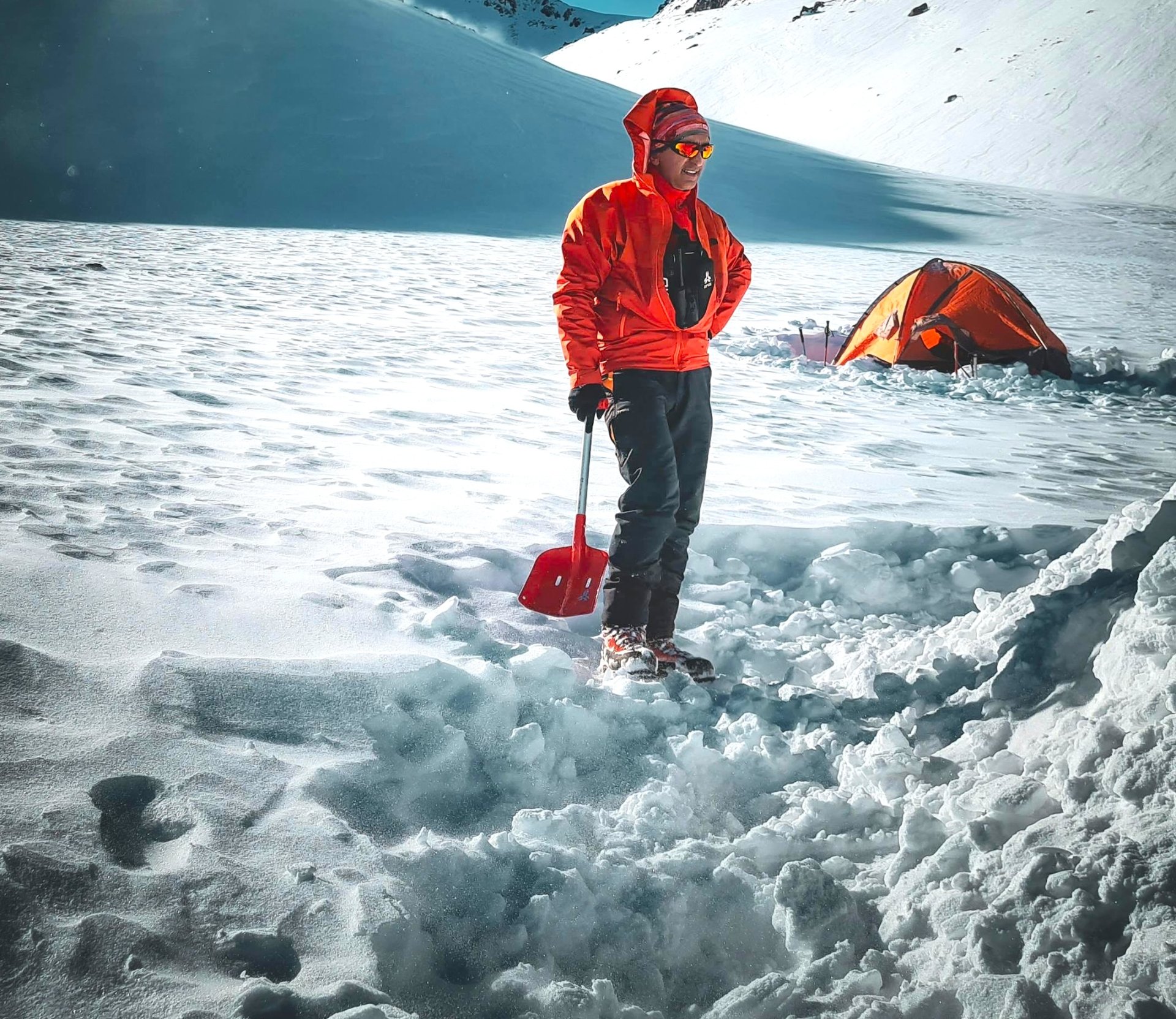 Ecuador Travel
The best summit option on Chimborazo Volcano is from High Camp, ensuring progressive acclimatization, safe glacier climbing, and panoramic views of the Andes and iconic volcanoes.
 Ecuador Travel
Technical rock climbing on volcanic rock in Baños de Agua Santa with guided routes for all levels.
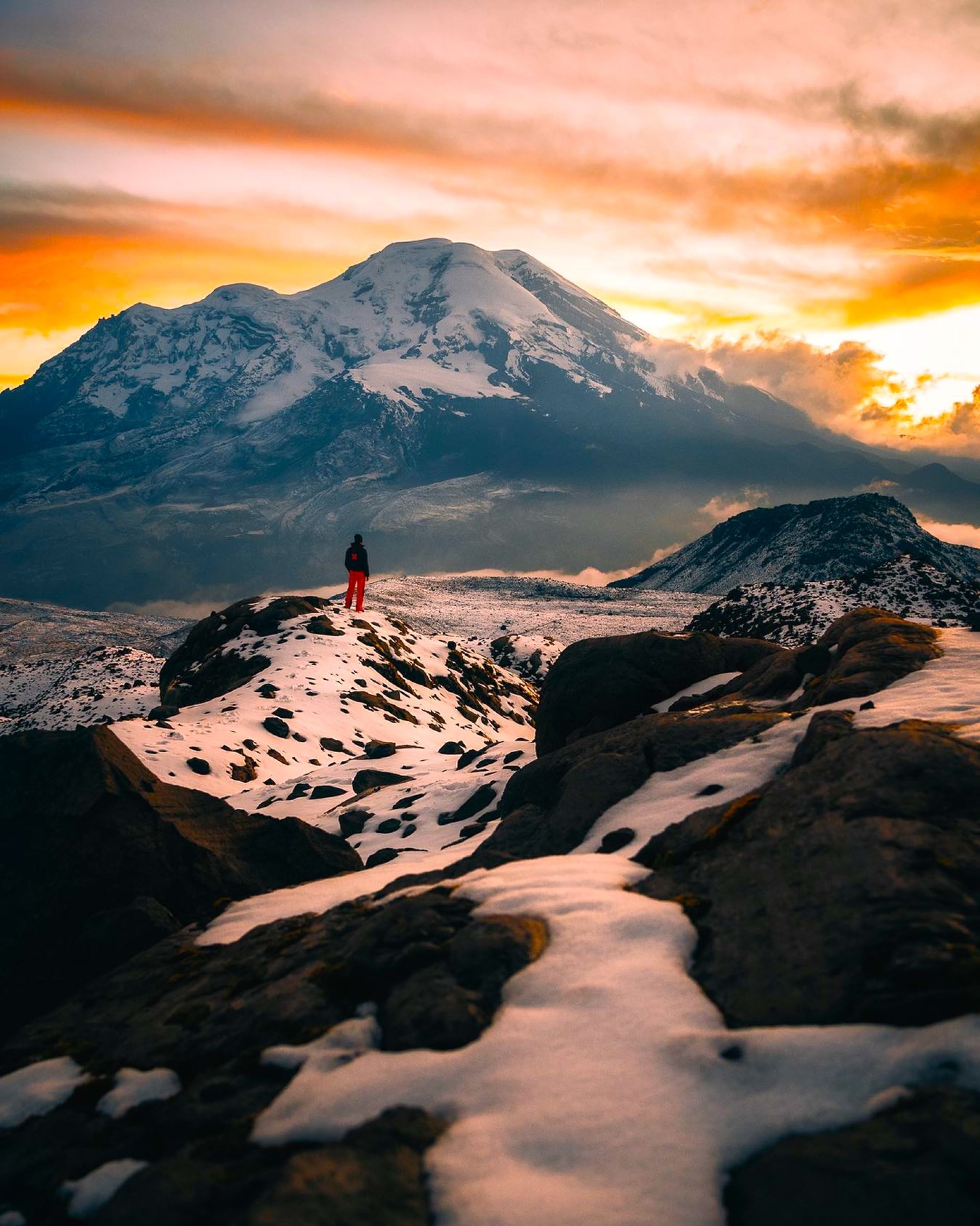 Ecuador Travel
Climbing Chimborazo Volcano (6,263 m) is possible year-round, with the most stable conditions typically between May–July and November–February.
 Ecuador Travel
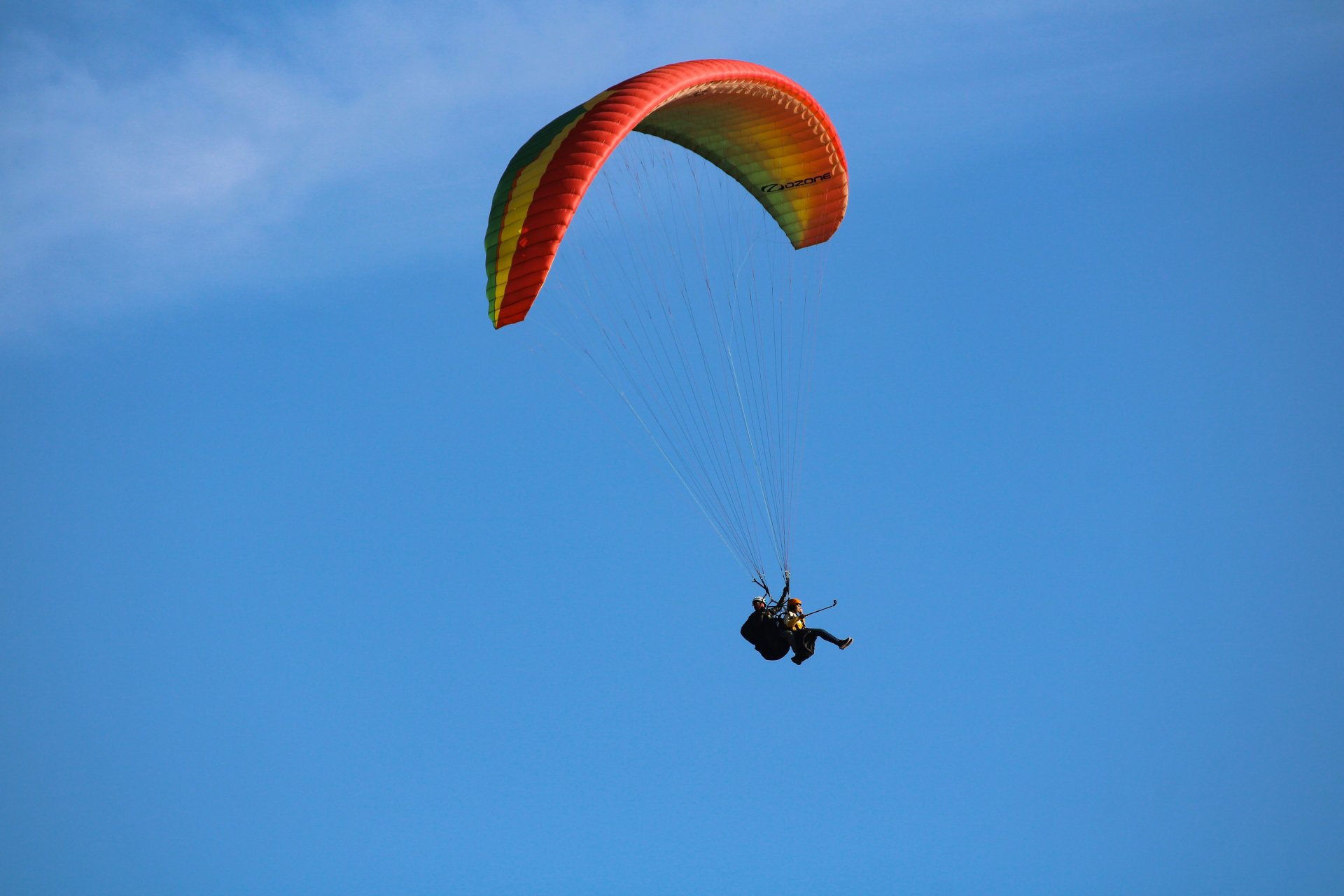
Tandem paragliding flight in Baños de Agua Santa, a top adventure experience in Ecuador with stunning Andean landscapes.
 Ecuador Travel
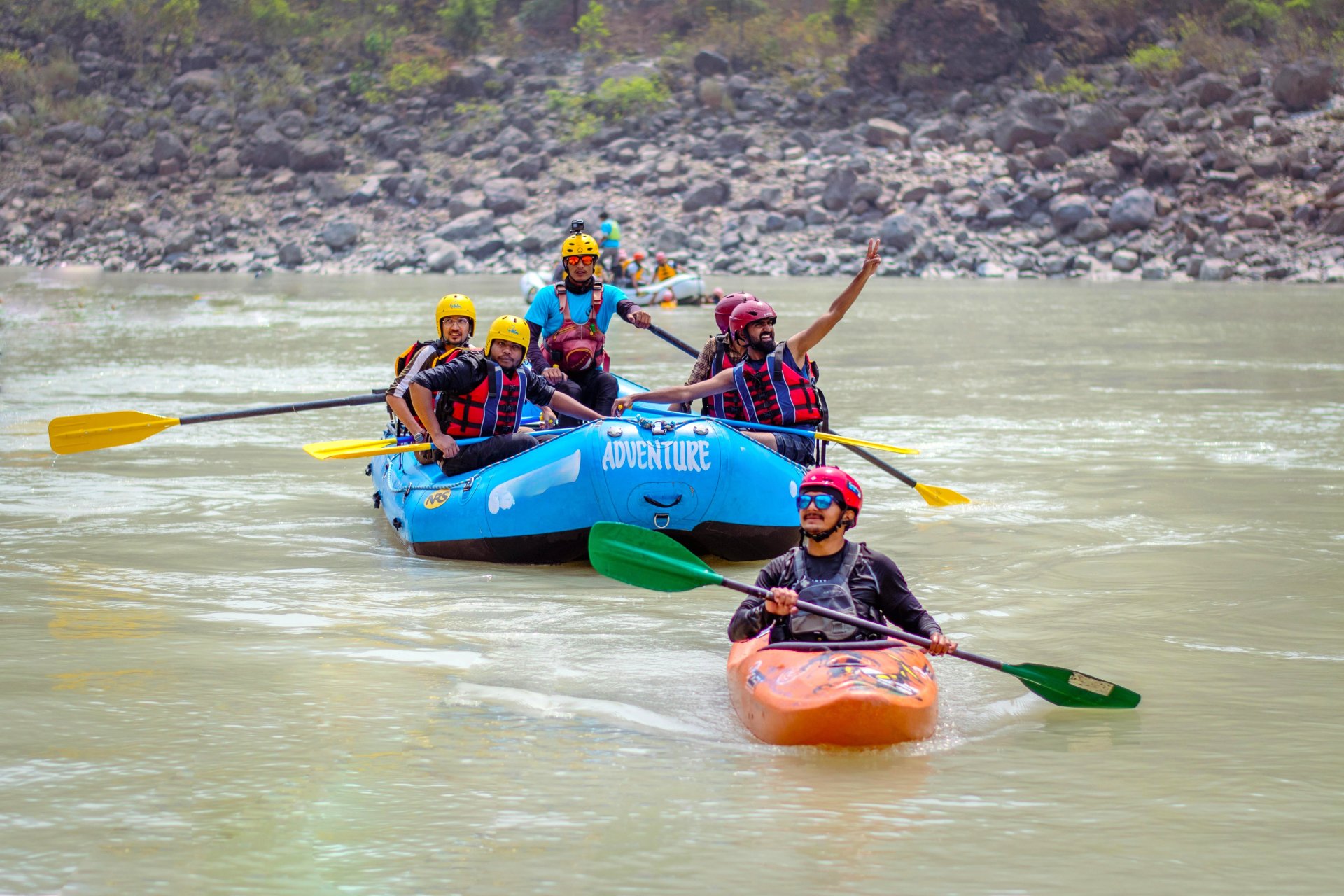
Rafting in Baños de Agua Santa is an adventure tourism experience in Ecuador that takes place on the Pastaza River, featuring Class III to IV rapids, available year-round and guided by certified professional guides.
 Ecuador Travel
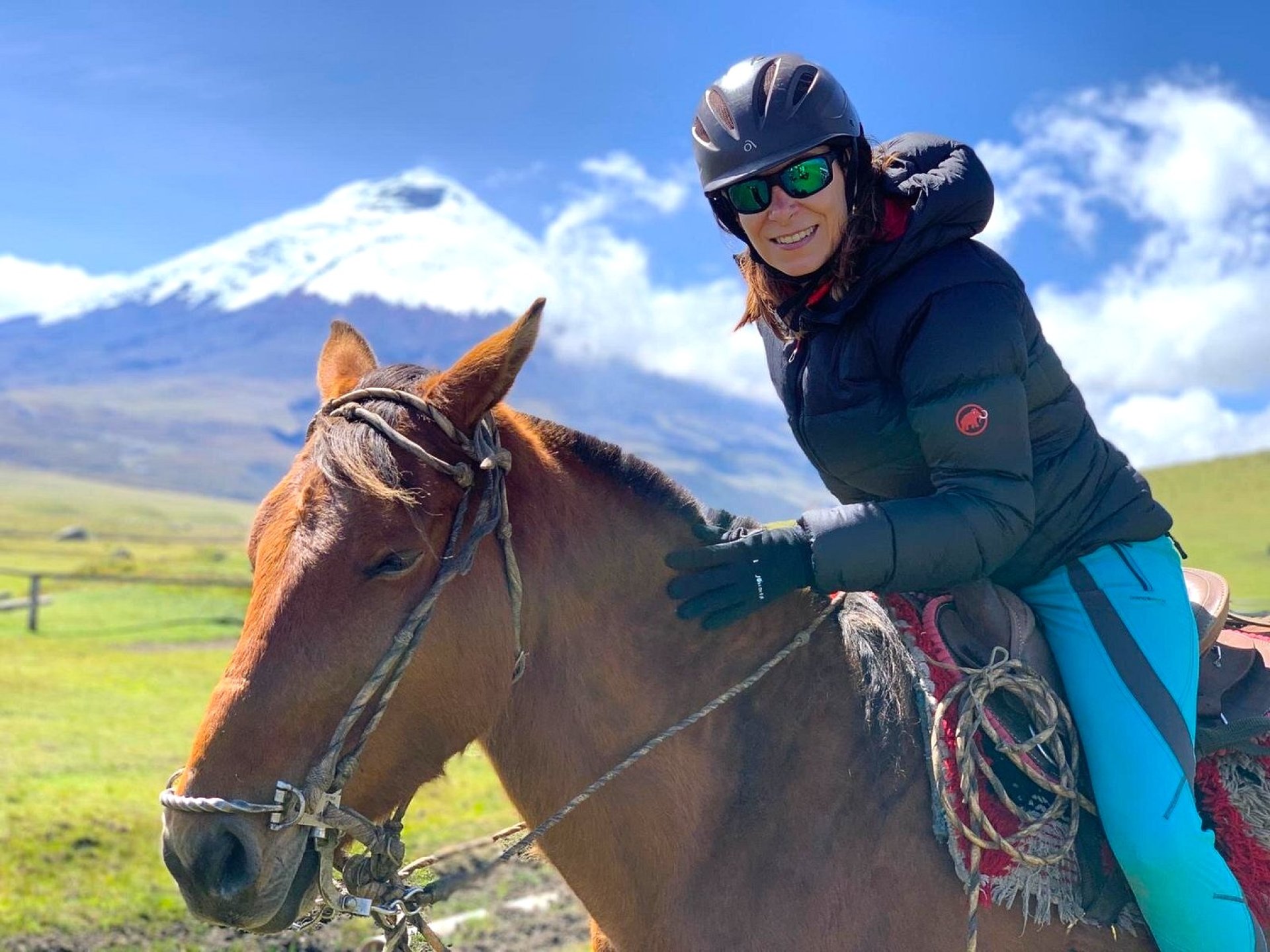
Discover the majesty of Cotopaxi Volcano on a full-day tour from Quito, combining adventure, nature, and unforgettable landscapes. Ride across the Andean páramo on horseback, hike to José Rivas Refuge (4,864 m), and take in the beauty of Limpiopungo Lagoon inside Cotopaxi National Park. A unique experience that connects you with the Andes in just one day.









Here you will find updated and detailed information about the requirements for traveling: entry documents, visas, vaccines, medical insurance and other important aspects that you must take into account. Review our tips and make sure you meet all the necessary requirements to enjoy your stay to the fullest.
Traveler's Guide What to do in case of emergency?