
A travel agency specializing in creating unforgettable experiences in Ecuador. Discover the natural beauty, vibrant culture, and exciting adventures this country has to offer with us.
Welcome to Next Adventure Ecuador Agencia de Turismo Ecuador
The Quilotoa Loop Trek is one of the most authentic trekking routes in Ecuador and all of South America. It is a self-guided multi-day hike that crosses the Ecuadorian Andes, connecting small rural villages, deep valleys, mountain rivers, and agricultural landscapes until reaching the impressive Quilotoa Volcano crater.
This is not a conventional tourist trek. It is a full immersion experience into Andean life, where hikers walk through communities that have preserved their way of life for generations, in areas where modernity hasn’t taken over the landscape.
The Quilotoa Loop is not a single official trail. It is a network of rural paths, ancient trade routes, and connection roads between indigenous and farming communities.
The most common route for travelers connects:
The trail passes along valley floors, crosses rivers, constantly ascends and descends through mountains, and ends at one of the world’s most spectacular volcanic craters: Laguna Quilotoa, located at 3,914 meters / 12,841 feet above sea level.
The total elevation gain of the trek ranges from approximately 3,300 meters (10,000 feet) in the valleys to almost 3,900 meters (12,500 feet) at the crater.
One of the most important aspects of this trek is the altitude.
During the trek, your body experiences constant oxygen changes:
Above 3,000 meters, many people start to feel the effects of altitude. While not dangerous if you walk slowly, common symptoms include:
For this reason, it is recommended to spend 1–2 days acclimatizing in Latacunga or Quito before starting the trek.
Weather changes drastically depending on altitude and time of day. There is no fixed temperature.
During the day, when the sun is out:
At night:
The most important factor is not just the cold but the wind at high altitude, especially on the final stretch to the crater.
Cash is mandatory. There are no ATMs along the loop, and almost no hostels accept cards. Everything must be paid in US dollars.
The trail crosses private property and farms. Respect fences, close gates, and do not disturb livestock.
Dogs are present along the trail. Some are farm guardians and can be aggressive. It’s recommended to walk in a group or carry a trekking pole.
It’s also important to be cautious with children in local communities. Avoid giving money; if you want to interact, the right approach is to share snacks or candy.
Most of the trek is above 3,000 meters / 9,800 feet, so prior acclimatization is necessary to avoid altitude sickness.
Pack light. Most travelers leave their main backpack in Latacunga and carry a 30–35L daypack.
Essential items:
Latacunga is the most common starting point.
From there, take a taxi to the bus terminal. Inside, find the company that goes to Sigchos. There are no strict online schedules; buses leave when full or in daily shifts.
The bus ride takes about 2 hours, gradually ascending into the mountains. The scenery transitions from agricultural fields to green mountains and deep valleys.
The trek begins in Sigchos, a small mountain village.
From the central square, follow signs to Isinlivi. Trails are marked with red and yellow blazes, but always double-check with locals.
The initial path is a gradual descent to the valley floor, opening to lush mountains, agricultural landscapes, and rural paths.
Duration: 4–6 hours. This day is mostly acclimatization and adjustment.
Arrival in Isinlivi introduces hikers to Llullu Llama Mountain Lodge, one of the most important hostels on the loop. More than just accommodation, it’s a social hub for travelers. Communal dinners foster exchanges, and the terrace offers stunning valley views at sunset.
This is a longer and physically dynamic day.
The trail first descends to the valley floor, crosses rivers via rustic wooden bridges, and then follows a series of continuous ascents and descents through farmland.
This day features more interaction with local communities. Farmers working the land and children walking to school are common sights.
Duration: 5–7 hours.
Chugchilán is a higher-altitude village, colder and more isolated. Cloud Forest Hostel is a popular accommodation here and a strategic rest point for the final challenging day.
The hardest day of the trek.
The trail begins gently, then quickly becomes a continuous ascent toward the crater area.
One of the most scenic detours is La Moya, where the path passes a deep canyon with a waterfall. After crossing rural dirt paths, the trail climbs toward the volcano’s rim.
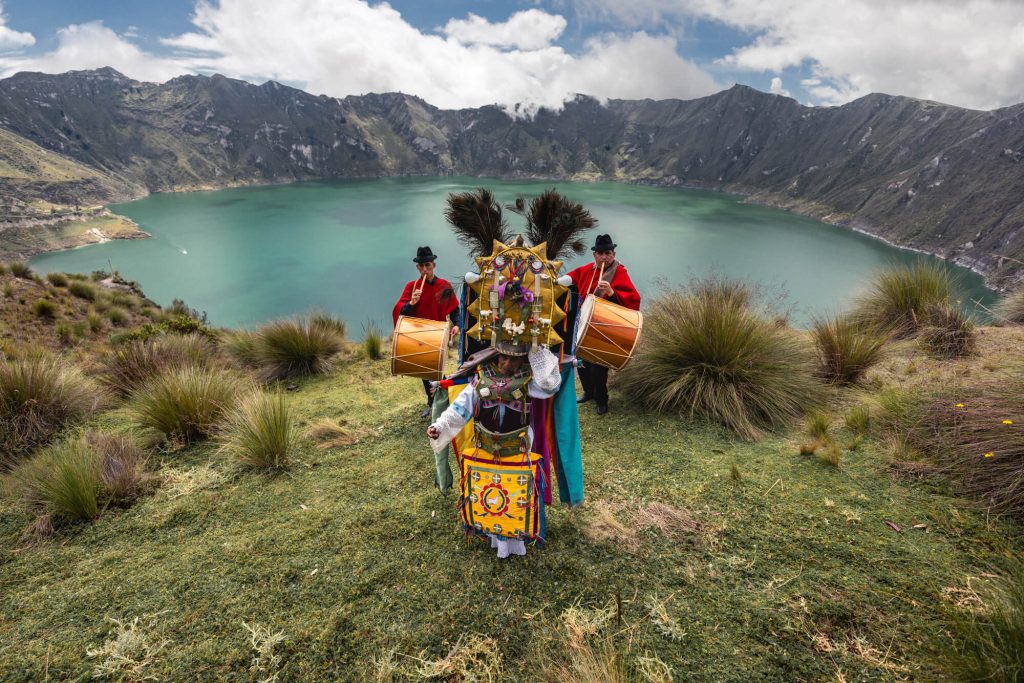
The arrival at Laguna Quilotoa is a total landscape transformation. The crater lake appears with massive dimensions, and water colors change from green to blue to turquoise depending on sunlight. It is one of the most breathtaking moments of the trek.
From Quilotoa village, take the bus back to Latacunga.
There are no fixed schedules; buses run during the day and stop in the late afternoon.
Duration: 2–3 hours, offering more panoramic mountain views.
The Quilotoa Loop is one of the most accessible treks in South America.
Main expenses depend on hostel choice and included meals.
The Quilotoa Loop Trek is more than a mountain trail. It is a full immersion into the Ecuadorian Andes, where travelers traverse extreme landscapes, rural communities, and one of the most impressive volcanic craters in the world.
It is physically demanding, culturally enriching, and visually transformative.
For a hassle-free experience, Next Adventure Ecuador offers guided treks on the Quilotoa Loop with local support, confirmed accommodations, and optimized routes for a safe and complete Andean adventure.
 Ecuador Travel
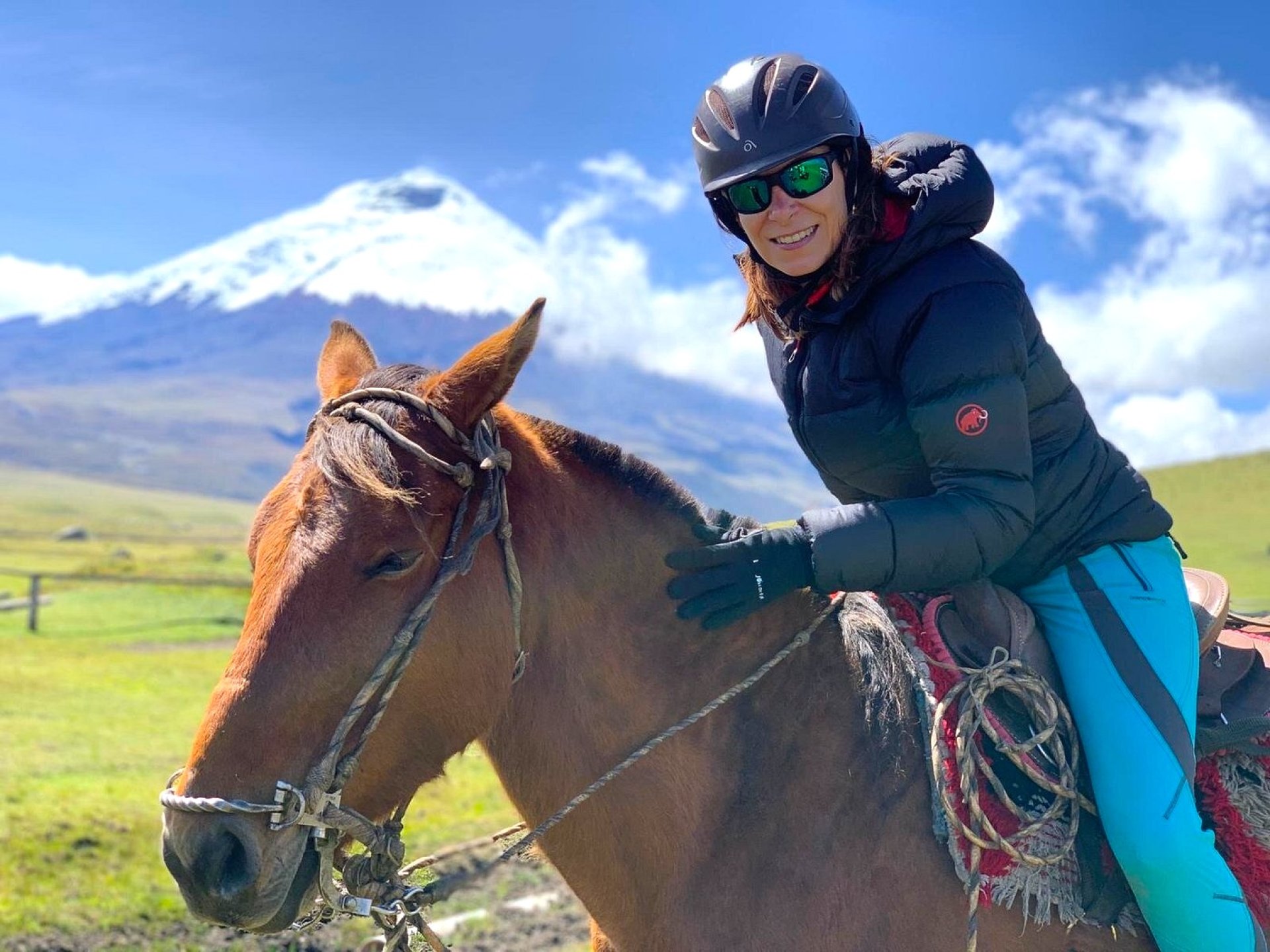
Discover the majesty of Cotopaxi Volcano on a full-day tour from Quito, combining adventure, nature, and unforgettable landscapes. Ride across the Andean páramo on horseback, hike to José Rivas Refuge (4,864 m), and take in the beauty of Limpiopungo Lagoon inside Cotopaxi National Park. A unique experience that connects you with the Andes in just one day.
 Ecuador Travel
Trout fishing adventure near Baños de Agua Santa, hiking through mountain rivers and lagoons around Parque Nacional Llanganates, with local cuisine prepared from the catch of the day.
 Ecuador Travel
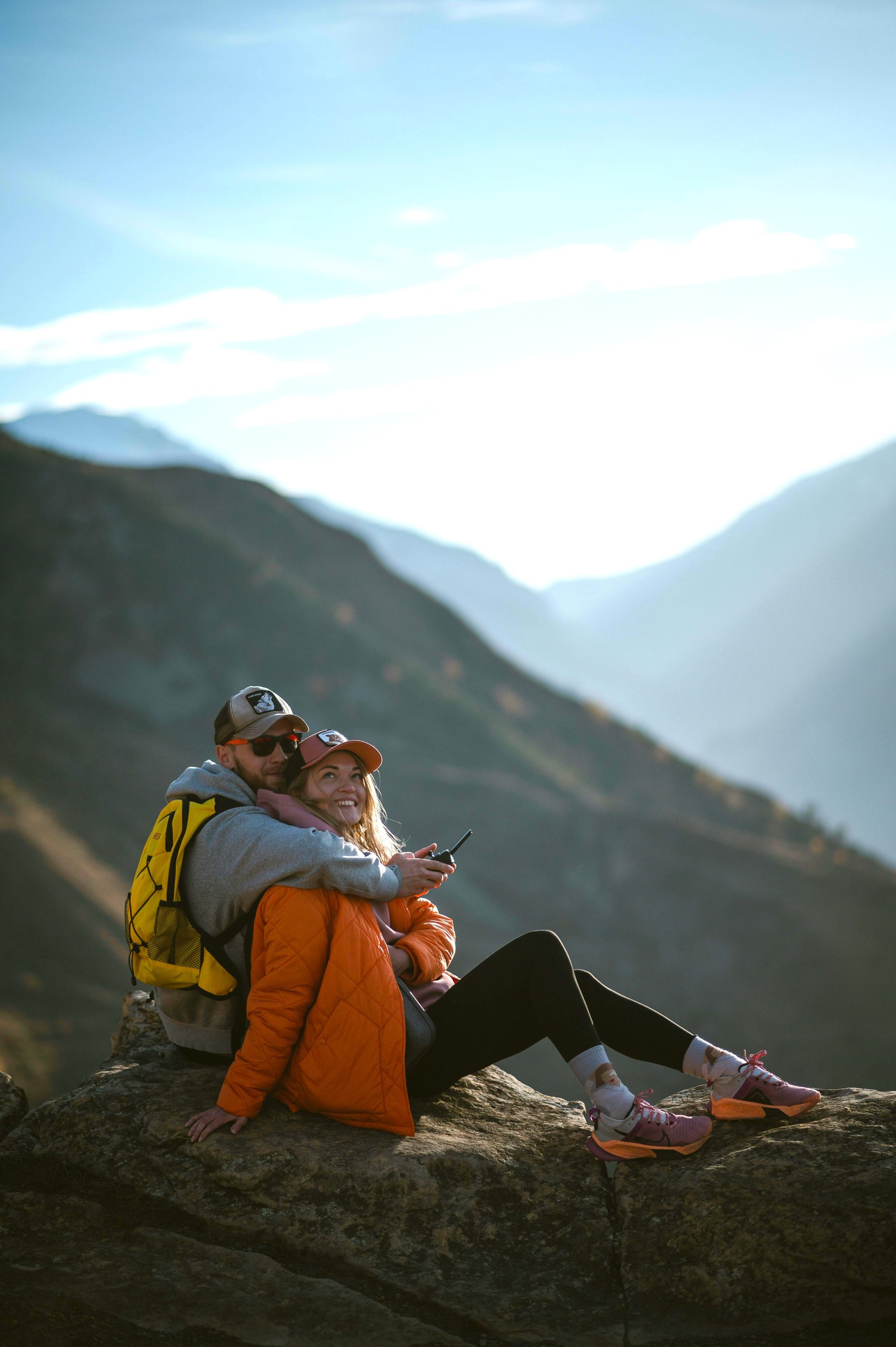
Experience the best hiking in Baños Ecuador with a panoramic descent from Casa del Árbol to downtown, combining nature, volcano views, and local culture in one adventure.
 Ecuador Travel
Full-day tour in Baños de Agua Santa visiting waterfalls, mountains, and the Casa del Árbol, by bicycle or car. Ideal for adventure and nature.
 Ecuador Travel
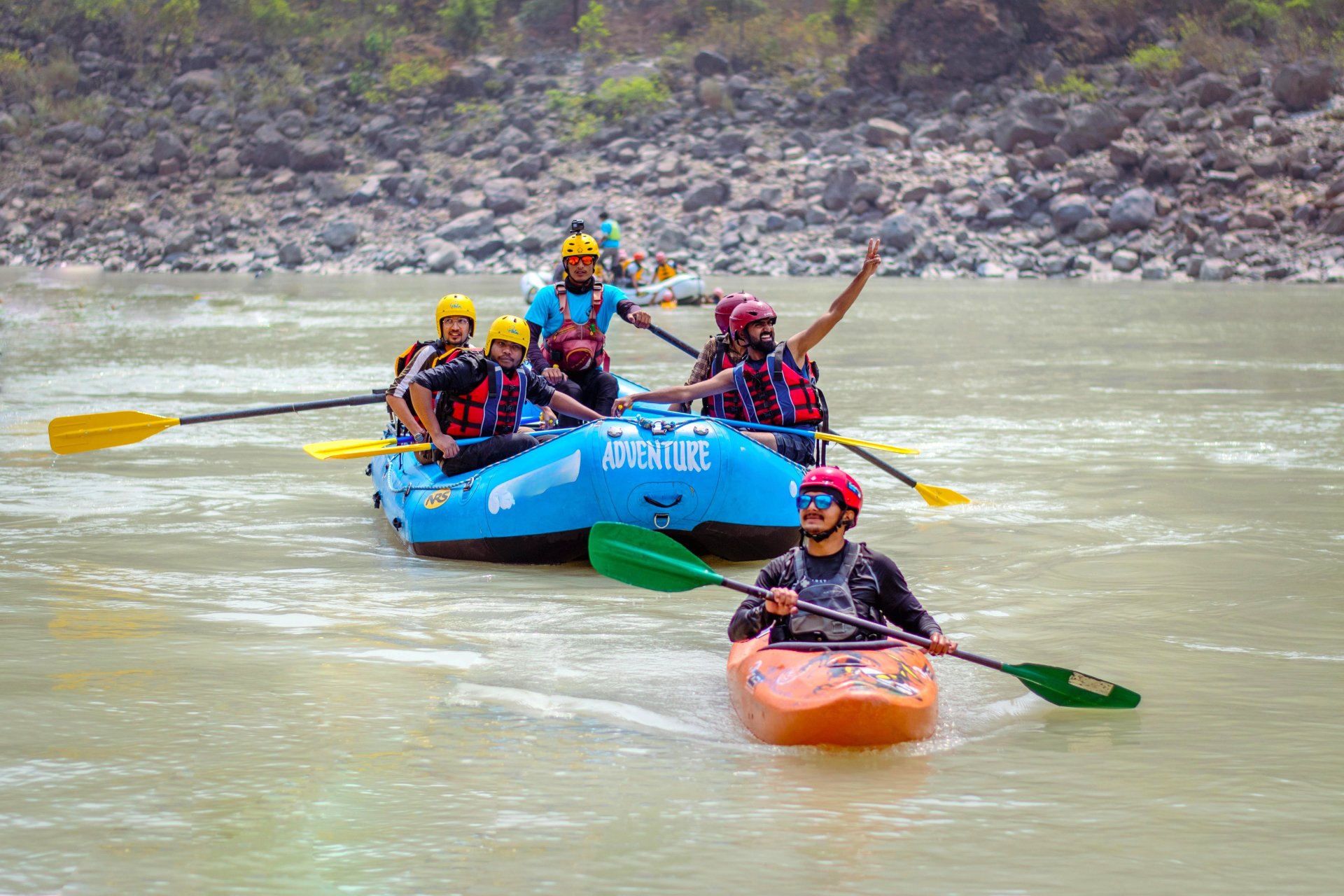
Rafting in Baños de Agua Santa is an adventure tourism experience in Ecuador that takes place on the Pastaza River, featuring Class III to IV rapids, available year-round and guided by certified professional guides.
 Ecuador Travel
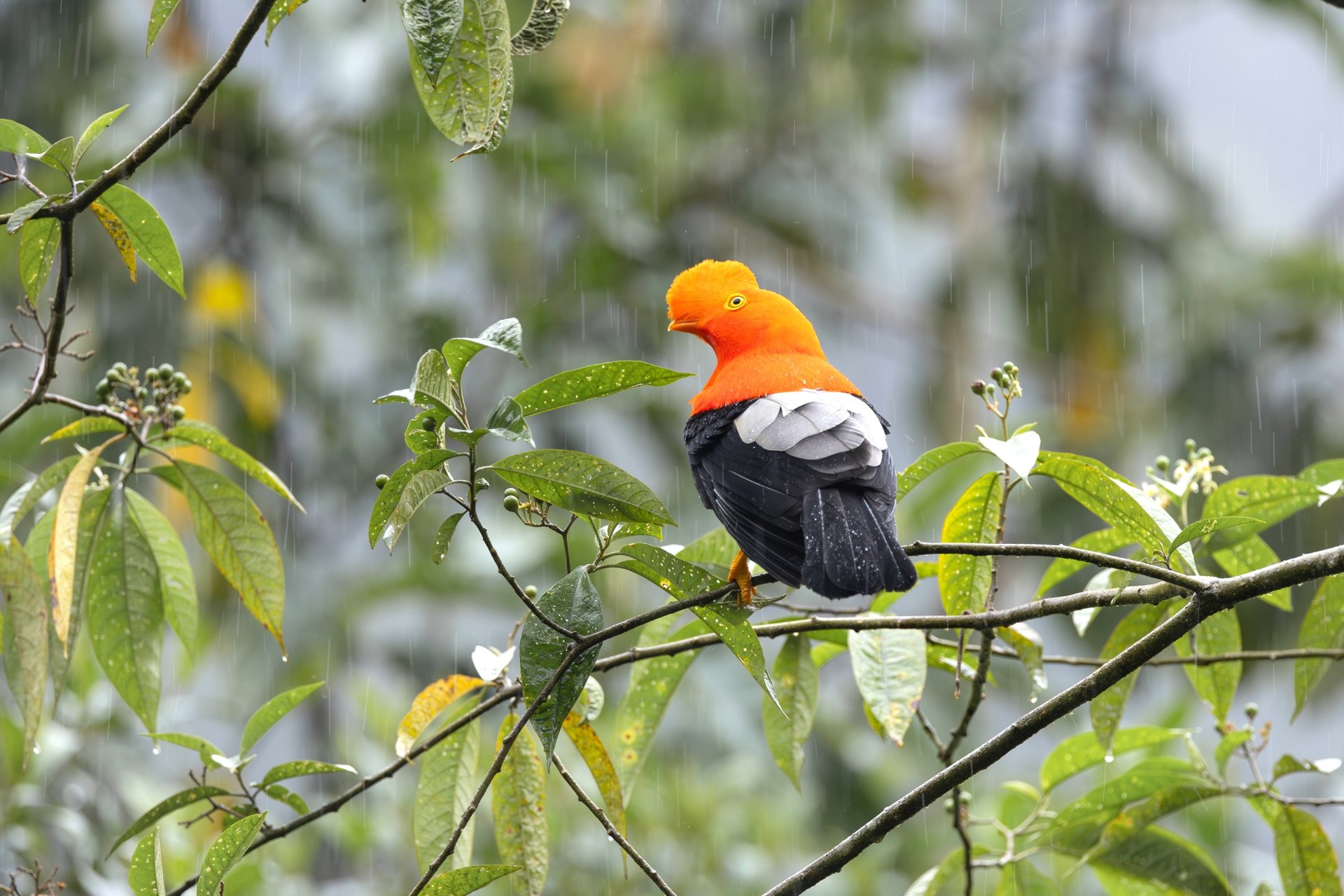
Birdwatching in Baños de Agua Santa, in Andean and Amazon transition forests near Parque Nacional Llanganates and Parque Nacional Sangay. Perfect for birdwatching in Ecuador.









Here you will find updated and detailed information about the requirements for traveling: entry documents, visas, vaccines, medical insurance and other important aspects that you must take into account. Review our tips and make sure you meet all the necessary requirements to enjoy your stay to the fullest.
Traveler's Guide What to do in case of emergency?